

Understanding Price Elasticity of Demand: Unpacking Consumer Packaged Goods
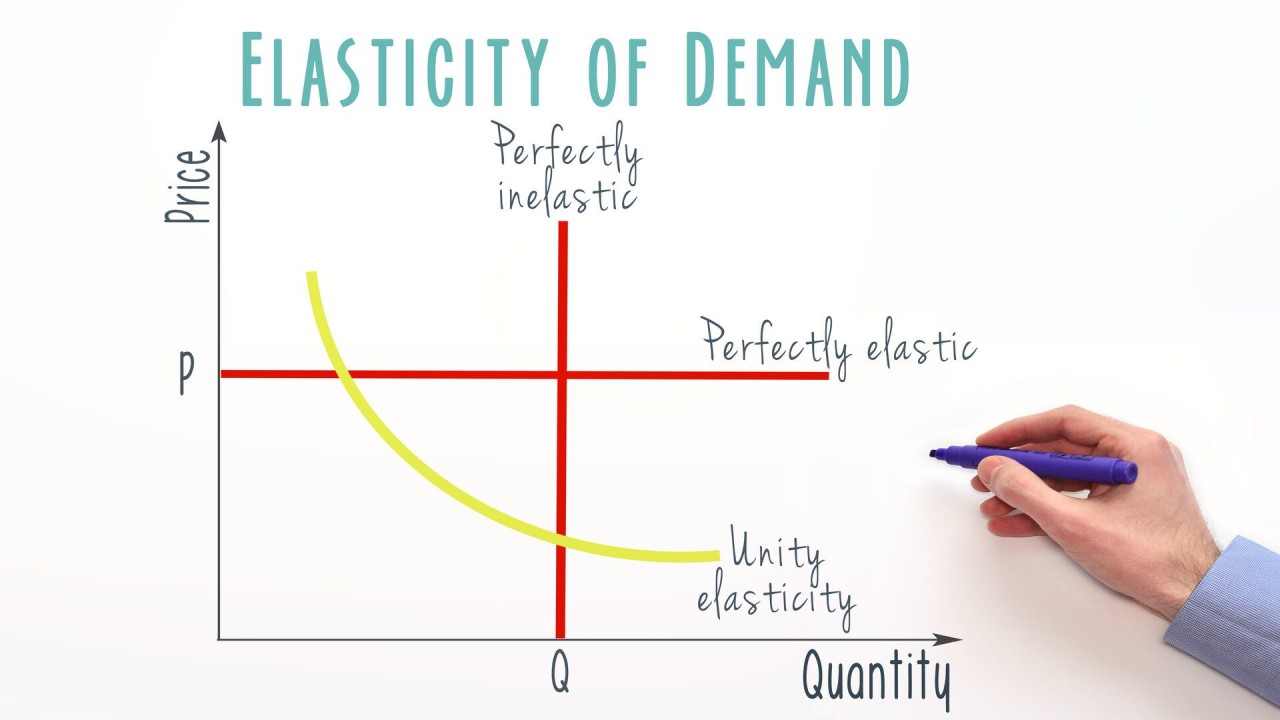
Price elasticity of demand is a crucial concept in economics that measures the responsiveness of consumers to changes in the price of a good or service. It plays a pivotal role in determining how fluctuations in price impact the quantity demanded by consumers. In the realm of consumer packaged goods (CPG), where a myriad of products compete for consumer attention, understanding price elasticity is paramount for successful pricing strategies.
Defining the Price Elasticity of Demand:
The price elasticity of demand is quantified as the percentage change in quantity demanded divided by the percentage change in price.

If the resulting value is greater than 1, the good is considered elastic, indicating that consumers are highly responsive to price changes. Conversely, if the value is less than 1, the good is inelastic, implying that consumers are less sensitive to price changes.
CPG Industry Dynamics:
The CPG industry encompasses a vast array of products, ranging from food and beverages to personal care items. In this highly competitive landscape, consumer preferences, brand loyalty, and external factors such as economic conditions can significantly influence demand elasticity.
Examples from the CPG Sector:
1. Inelastic Goods: Necessities and Staple Products: Consumer goods categorized as necessities often exhibit inelastic demand. For instance, basic food items like rice, bread, and milk are essential components of daily life. Consumers are less likely to significantly reduce their consumption of these items in response to price increases. In such cases, the demand for these goods tends to be less responsive to price changes.
2. Elastic Goods: Non-Essential and Luxury Products: Conversely, CPG items considered non-essential or luxury goods often display elastic demand. Products such as premium chocolates, high-end cosmetics, or gourmet snacks may see a noticeable decline in demand when prices rise, as consumers have the flexibility to cut back on such discretionary spending.
3. Brand Loyalty and Elasticity: The Role of Perception: Brand loyalty can also impact price elasticity within the CPG sector. Established brands may have more inelastic demand, as loyal consumers may be willing to pay a premium for perceived quality or brand recognition. On the other hand, generic or store-brand products may exhibit more elastic demand as consumers are more price-sensitive when choosing among similar products.
Implications for Pricing Strategies:
Understanding price elasticity of demand in the CPG sector is vital for crafting effective pricing strategies.
1. Optimal Pricing: By gauging the elasticity of their products, CPG companies can determine the optimal pricing strategy. For inelastic goods, moderate price increases may yield higher revenue, while elastic goods may benefit from competitive pricing to stimulate demand.
2. Promotional Strategies: Elastic goods can benefit from promotional activities such as discounts, buy-one-get-one-free offers, or loyalty programs to attract price-sensitive consumers. In contrast, inelastic goods may not require extensive promotional efforts, as consumers are less likely to be swayed solely by price fluctuations.
3. Adaptability in Dynamic Markets:
As market conditions evolve, so does consumer behavior. CPG companies must regularly reassess price elasticity to stay agile in response to economic fluctuations, changing consumer preferences, and competitive pressures.
Conclusion:
In the consumer packaged goods industry, price elasticity of demand serves as a guiding principle for crafting effective pricing strategies. By understanding how consumers respond to price changes, CPG companies can optimize their pricing, enhance competitiveness, and adapt to the dynamic nature of the market, ensuring sustained success in an ever-evolving industry.




LEAVE A COMMENT