

Breaking: The New Era of U.S. Tariffs – What’s Happening and Why It Matters
🚨 What Just Happened?
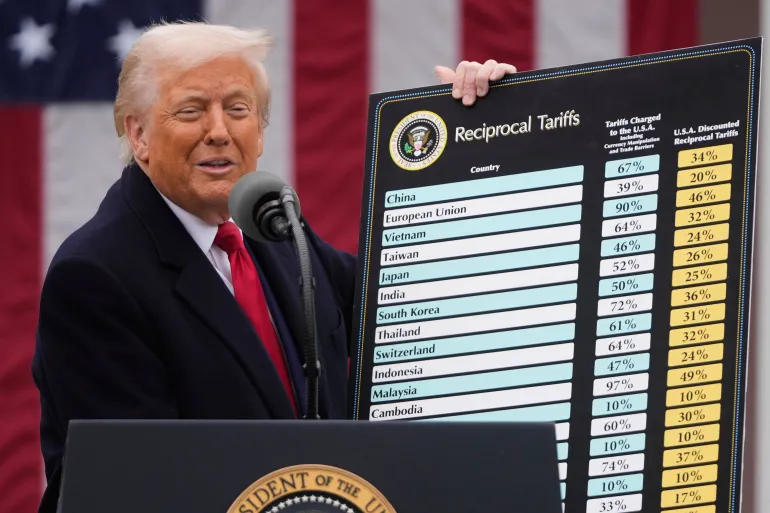
As of August 2025, a major shift in international trade policy has taken place. The U.S. government announced new tariffs on imports from over 60 countries, with rates now ranging between 10% and 41%. This dramatic increase signals the highest average tariff level seen in decades — reminiscent of early 20th-century trade barriers.
This decision is part of a broader push to restructure trade relationships, reduce dependency on foreign supply chains, and rebalance long-standing trade deficits. Tariffs officially take effect on August 7, but several countries are still negotiating to ease the impact.
🧩 Why Are These Tariffs Being Introduced?
The tariffs stem from a national policy directive signed in April 2025, which framed trade imbalances as a matter of national concern. The stated aim is to restore fair competition, protect domestic industries, and ensure reciprocal treatment from global trading partners.
Supporters argue this levels the playing field for U.S. producers. Critics, however, warn it could raise consumer prices, increase economic volatility, and strain international partnerships.
🌐 Country Reactions: Who’s In, Who’s Out?
- Trade deals secured: Nations such as Japan, South Korea, the UK, and the European Union finalized negotiations early to avoid steep tariff hikes.
- Still negotiating: Countries like Canada and India are in ongoing talks. Canada is currently facing a 35% rate, while India is subject to 25% — both of which could change pending last-minute agreements.
- Hit hardest: Countries with less economic leverage — including South Africa, Switzerland, and several Southeast Asian economies — are among those facing the highest rates, sometimes exceeding 40%.
- Temporary exemptions: Mexico has secured a short-term relief window, while specific industries like Canadian dairy have been granted partial exemptions.
⚖️ Legal Pushback & Political Debate
Not everyone is on board with the policy. A recent U.S. court ruling challenged the legality of how these tariffs are being implemented. Critics argue that the executive branch is exceeding its authority and bypassing Congress.
In response, lawmakers are proposing new legislation to ensure greater oversight of trade decisions, though these efforts may face political hurdles.
📉 Impact on the Economy
The short-term economic response has been mixed:
- GDP growth remains positive, but signs of pressure are showing in key areas like job creation and consumer sentiment.
- Prices are expected to rise in categories such as food, electronics, and household goods — especially for middle- and lower-income families.
- Analysts estimate the average American household could feel the pinch, with a projected cost increase of around $2,000 annually due to higher import costs.
On the global stage, many economies are rethinking their trade dependencies, with some nations considering new regional alliances or alternative markets to cushion the blow.
🧭 What’s Next?
Here’s what to keep an eye on:
| Area | What to Watch |
|---|---|
| Ongoing negotiations | Will countries like Canada and India secure better terms? |
| Legal developments | Will courts limit the scope of presidential tariff powers? |
| Legislative action | Could Congress step in to rebalance trade authority? |
| Consumer reaction | Will public backlash force policy shifts or soften impacts? |
🧠 Bottom Line for Businesses & Consumers
- Businesses: Must prepare for supply chain disruptions, cost increases, and possibly adjusting sourcing strategies.
- Consumers: Should expect gradual price hikes on imported goods, particularly electronics, food, clothing, and fuel.
- Developing economies: May face significant challenges if they rely heavily on U.S. exports.
- Policy watchers: Will need to monitor how this new tariff landscape influences broader geopolitical relations.
Final Thoughts
The current wave of tariffs represents one of the most significant trade shifts in modern U.S. history. Whether this leads to a stronger domestic economy or triggers a wave of retaliatory responses remains to be seen.
As the dust settles, adaptability will be key — for businesses, governments, and households alike.


LEAVE A COMMENT