

Inventory Turnover Ratio: A Complete Guide for E-commerce Businesses
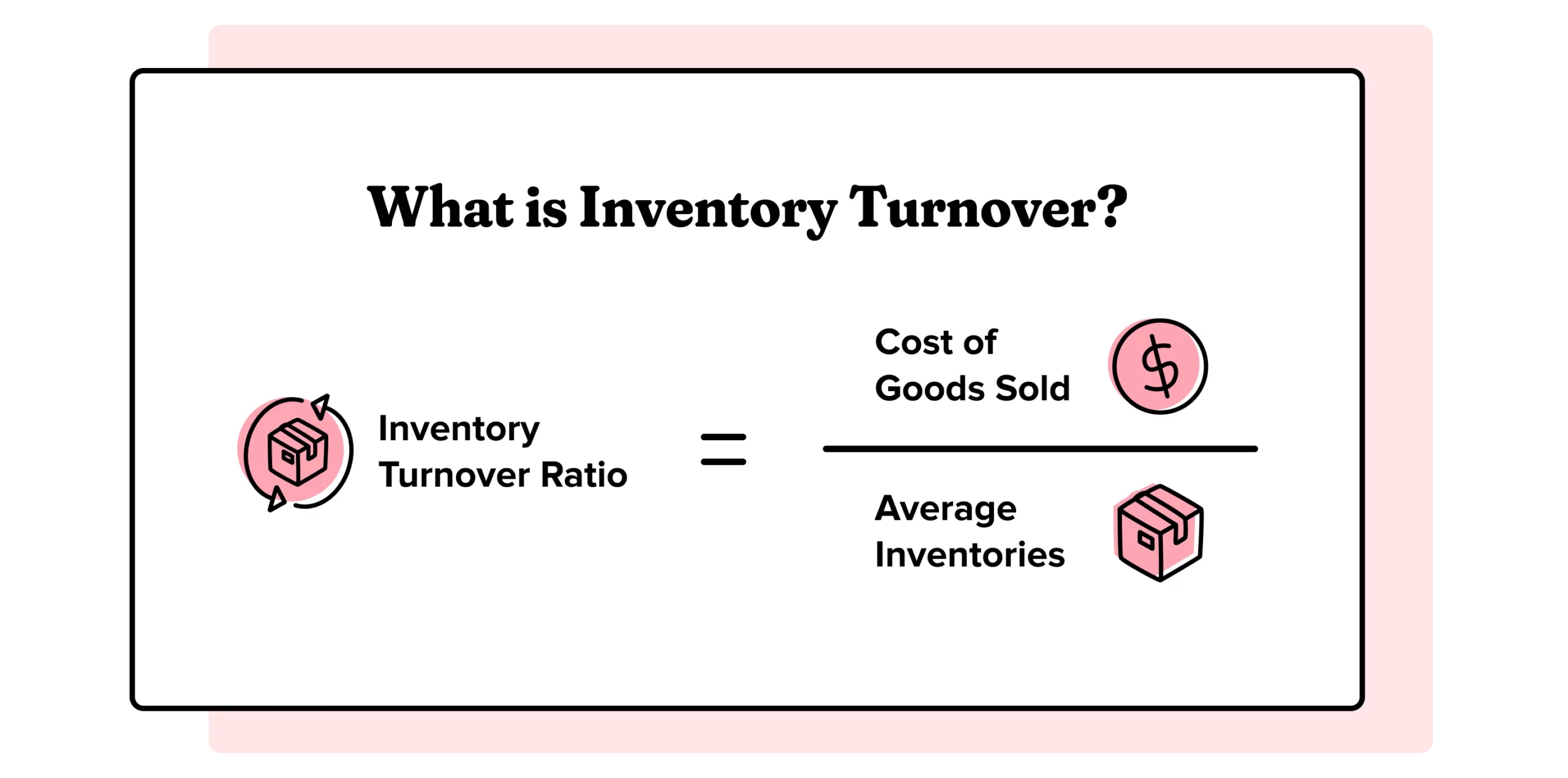
If you’re running an E-commerce business, one of the most critical metrics you need to understand is your Inventory Turnover Ratio (ITOR). This single number can tell you volumes about your business efficiency, cash flow health, and overall operational performance.
Understanding Inventory Turnover Ratio
At its core, the Inventory Turnover Ratio measures how many times you sell and replace your entire inventory during a specific period, typically calculated annually. Think of it as a pulse check on how well your products are moving off your virtual shelves.
The Formula
Calculating your ITOR is straightforward:
ITOR = Cost of Goods Sold (COGS) / Average Inventory Value
Where Average Inventory = (Beginning Inventory + Ending Inventory) / 2
A Practical Example
Let’s say your ecommerce store had $500,000 in Cost of Goods Sold last year, and your average inventory value was $100,000. Your ITOR would be 5, meaning you completely turned over your inventory five times during the year.
Industry Benchmarks: What’s a Good ITOR?
Here’s where context matters tremendously. A “good” inventory turnover ratio varies significantly depending on what you’re selling:
- Fast-moving consumer goods like groceries and beauty products: 8-12+ times per year
- Fashion and apparel: 4-6 times per year
- Electronics: 6-8 times per year
- Furniture and home goods: 3-5 times per year
- Jewelry and luxury items: 2-4 times per year
These benchmarks exist for good reason. Perishable or trend-driven products naturally need to move faster, while high-ticket luxury items typically sit longer before finding the right buyer.
Why ITOR Matters for Your Bottom Line
Understanding your inventory turnover isn’t just an academic exercise. It has real implications for your business health.
Benefits of High Turnover
When your inventory moves quickly, good things happen. You have less capital tied up in stock sitting in warehouses, which means better cash flow for other investments. Your storage costs decrease, your products stay fresh and relevant, and you’re not stuck with obsolete inventory that eventually needs to be marked down.
Problems with Low Turnover
On the flip side, slow-moving inventory creates a cascade of problems. Your capital is locked up in products that aren’t selling, storage fees pile up, products risk becoming outdated or damaged, and eventually you’re forced into discounting just to clear space.
The Risk of Too-High Turnover
Interestingly, there is such a thing as inventory moving too quickly. If your turnover is exceptionally high, you might be experiencing frequent stockouts, losing sales opportunities, paying more for rush orders, and frustrating customers who find their desired items unavailable.
Proven Strategies to Improve Your ITOR
If your inventory turnover needs improvement, here are actionable strategies that successful e-commerce businesses use:
Master Demand Forecasting
Use your historical sales data combined with seasonality patterns and market trends to predict what will actually sell. The better your forecasting, the less excess inventory you’ll carry.
Optimize Your Product Mix
Regularly analyze which SKUs are performing and which are gathering dust. Don’t be afraid to phase out slow-moving products and double down on your bestsellers. Your inventory dollars should be invested in products that actually move.
Implement Dynamic Pricing
Strategic promotions and discounts can help move aging inventory before it becomes a problem. Consider time-limited offers, bundle deals, or gradual markdowns based on how long items have been in stock.
Strengthen Supplier Relationships
Work with your suppliers to negotiate faster lead times and smaller minimum order quantities. This allows you to order more frequently in smaller batches, keeping your inventory lean and responsive to actual demand.
Consider Just-in-Time Inventory
If you have reliable suppliers, consider adopting a just-in-time approach where you order closer to when you actually need the inventory. This requires excellent supplier relationships but can dramatically improve your turnover ratio.
Invest in Better Technology
Real-time inventory management software gives you the visibility you need to make faster, smarter decisions. When you can see exactly what’s moving and what’s not, you can adjust quickly.
Bundle Strategically
Pair slow-moving items with your bestsellers in attractive bundles. This helps you move stagnant inventory while still providing value to customers who want your popular products.
Taking Action
Your Inventory Turnover Ratio is more than just a number on a spreadsheet. It’s a window into your operational efficiency and a powerful tool for improving your e-commerce business performance. Start by calculating your current ITOR, compare it against industry benchmarks for your product category, and then systematically implement improvements.
Remember, the goal isn’t necessarily to achieve the highest possible turnover ratio, but rather to find the optimal balance for your specific business that maximizes profitability while maintaining customer satisfaction. Monitor your ITOR regularly, adjust your strategies as needed, and watch as improved inventory management translates directly to better cash flow and business growth.
If open to new ideas for expansion, let’s discuss over a call—contact:
Email: avash@helplinebusinessadvisors.com, strategy@helplinebusinessadvisors.com
What’s app: +9779702687123




LEAVE A COMMENT